Wednesday, 7 December 2016

Planning - Health and Safety Risk Assessment

Before I begin to shoot footage for my film trailer, I will need to acknowledge any potential risks that there may be on set or whilst using any filming equipment. I aim to film in two very different locations; one will be an indoor location whereas the second is in a section of woodland outdoors. Consequently, there will be different kinds of risks in either location due to the difference in setting. Therefore, I decided to carry out separate risk assessments when visiting each location, and have identified any potential risks or hazards there may be when filming. I considered each risk and came up with ways in which I could minimise or avoid the risk when on set to ensure that my cast members and I are safe.
When carrying out my risk assessment, I decided to list each risk or hazard, rate them in terms of how dangerous they were, and provided a solution to each potential problem.

Internal Location - House: 

External Location - Farthinghoe Nature Reserve:

Monday, 5 December 2016

Research Ancillary - Film Magazine Covers and their Conventions

Film magazine covers are designed with the same purpose as a film poster; to promote a new films release.

Typical Magazine Cover Conventions include: 
  • Colour Scheme: this convention is an important aspect of a magazine cover and the colour scheme often relates to the film it is promoting. The use of colour will also provide an indication of the films genre. Bold and bright colours are commonly used to catch the audiences attention, making it rememberable. However, the use of bright colours could also suggest the genre of the film it is promoting; for example bright colours such as yellow have connotations of joy and cheerfulness so would more likely to be used to promote comedy films rather than genres which have a more serious tone. Due to the fact that my magazine cover ancillary product will be promoting an upcoming horror thriller film, I will need to ensure that the colour scheme I use reflects this particular genre. Ways in which I could do this is by using colours specific to this genre (such as red and black, connoting death and danger), although I could also experiment by desaturating colours in order to create a more ominous effect. 
  • Focal Image: similar to a promotional film poster, a film magazine cover also has a focal image placed in the centre of the page which draws the audiences attention. However, in most cases the focal image on the cover of a film magazine portrays the main character, rather than a significant prop or location used frequently throughout the film. This acts as a unique selling point; the use of a famous, well-known cast member will help promote the film due to their popularity/familiarity which will attract the audiences attention. 
  • Masthead: this bit of text presents the title of the magazine, and is featured on every issue and copy. The typography should be the same size and font as used in previous issues; the masthead essentially acts as a logo for the magazine so shouldn't therefore be changed. 
  • Sell Lines: this acts as a way to encourage the audience to purchase the magazine, which often includes informing them of any competitions that they can enter inside, gifts or promotional offers that the magazine exclusively provides. The cover usually emphasises the price of the magazine itself, making it appear as though it is a good deal for potential consumers. Otherwise known as 'buzz words', sell lines often include the words 'free' and 'exclusive' which captures the audiences attention, making the magazine appear different and unlike any other of the magazine's main competitors.
  • Lead Story and Anchorage Text: this refers to any text on the front cover which relates to the focal image/main feature film it is promoting. The lead story is typically the bold, large text which stands out next to the focal image. On the other hand, anchorage text often overlaps the the focal image in support of the lead story and typically includes what the magazine spread for the film will include; this could be a direct quote taken from the interview or article inside. 
  • Banner: similar to 'sell lines', the banner also informs the audience of what is included inside the magazine, although this typically includes information on any other articles that feature inside. This text does not relate to the film being promoted on the front cover. 
  • Barcode, Price, Date and Issue Number: the barcode is usually placed at the bottom, top or side of the magazine cover and does not interfere with the overall cover design. This is required and enables the magazine to be bought in stores. The price, publication date and issue number is usually situated beside the barcode in a small font so that it does not stand out against the main focal image or text. 

Tuesday, 29 November 2016

Research Ancillary - Film Posters and their Conventions

Other ways in which distribution companies advertise and promote their upcoming films is through the use of ancillary products such as posters and magazine spreads; two examples of heritage marketing. Unlike film trailers and teaser trailers which have to be viewed digitally onscreen, ancillary products allow distributors to promote their films physically, allowing them to reach potential audiences during their own day to day lives. The primary purpose of an ancillary product is to encourage potential consumers to watch the film when it is released. For one of my ancillary products, I have chosen to create a film poster alongside my film trailer to promote an upcoming horror thriller film. Therefore I must ensure that my film poster is eye catching so that it captivates the audience and prompts them to watch the film when it is released. 


These images are examples of film promotion through the use of ancillary posters in a variety of ways. The first two images show film posters used traditionally; the first image shows a promotional film poster for the 2013 horror thriller 'The Purge' on the wall of an Underground station, whereas the second image presents a (poster) billboard for 2012's 'The Dark Knight Rises', located at Sunset Boulevard in Hollywood, California. The design of this particular billboard is considered groundbreaking, giving the illusion that the iconic Batman logo silhouette is smashing through the billboard. 

Depending on the genre of the film that a distributor is promoting, there are many codes and conventions which are followed in order to successfully advertise a new film. In some circumstances, a films genre will cause a promotional poster's layout, and therefore its overall look to appear significantly unconventional compared to other posters promoting a different genre of film. The poster should be designed to attract the largest audience possible.

Typical Film Poster Conventions include:
  • Focal Image: there is usually a focal image placed in the centre of the poster which draws the audiences attention. The focal image of the poster generally shows the main character(s) of a film, a significant prop/location used frequently throughout the film, or something which summarises or represents the main theme of the narrative. For example, the poster for 2012 horror thriller 'The Cabin in the Woods' uses a focal image of a distorted version of the main location used throughout the film (a cabin in the woods) which also happens to be the main subject of the films narrative. 
  • Large Title Font: the films title should be in a large font that stands out; this will make it clear to the audience what the film is called which guarantees awareness. The films title should usually be one of the main graphic features of a film poster (other than the focal image) and the title should therefore appear bold and striking. The typography should be in keeping to the rest of the poster, and will be relevant to the film's genre. The image below shows a close up of the title used in the film poster above. 
  • Relation to Genre: the film poster should make it clear to the audience on what type of film it is promoting (for example, comedy or action). The poster will clearly define the genre of the film through the careful use of colour, image and typography, and will use common stereotypes of the films genre to convey this. An example of this is through the use of common horror thriller stereotypes in posters to advertise a film of the same genre; the poster will typically include dark colours such as red and black to connote death, danger and blood which are common themes within this type of film. The posters relation to the genre of the film it is promoting allows the audience to decide whether or not they would like to watch the film, as common themes or content in some genres are more feasible than others. 
  • Release Date: there will usually be an indication of the films release somewhere on the poster. This could include 'Coming Soon' or an indication of the period in which it will be released, for example 'In Cinemas this Summer'. However, the majority of film posters will present the films confirmed release date. In the film poster advertising 'The Cabin in the Woods' shown above, the release date is the third most prominent aspect and appears bold in comparison to the rest of the billing block. This stands out to the audience and immediately informs them of the date of which the film will be released.  
  • Production Information: production information, as well as the name of the director and any cast members are usually displayed on a billing block at the bottom of the film poster. 
  • Star Personas: this particular convention acts as a unique selling point on a film poster. Conglomerate production companies particularly based in Hollywood rely on well-known 'A list' cast members to help promote their films. Film posters could also include reviews and examples of other (successful) films that the production company has made. 
  • BBFC Certificate: an age certificate is usually clearly labelled on a film poster which will make it clear to the audience of the age restrictions of the film. This will provide the audience with an indication of the potential themes in the film including sex or drug use, which are more likely to be included in films rated the 15 or 18 BBFC classification. 
  • Tagline's: A small section of text which is used to promote the film. 

Tuesday, 1 November 2016

Initial Planning - Ideas for Props

There are only a few props needed for consistent use throughout my film trailer. Examples of props I shall use throughout the duration of my film trailer include: 
A selection of props that are essential to the protagonist's identity.
This could include a pair of glasses, a wig or a piece of distinguishable clothing (e.g. a bright red jacket). These props must be key to the protagonists appearance as the audience will pick up on different aspects to her image (such as the fact that she wears glasses) continuously throughout the start of the trailer where the focus shall be on her. My intent is for the antagonistic character to steal the girl's identity towards the end of the narrative, so I would have to use props that are specific to her own appearance. I plan on the scene showing the stalker stealing her identity to appear ambiguous to the audience; instead of revealing the antagonist's full identity, I shall include footage of them picking up certain items and then placing it onto themselves (e.g. a close up of the antagonist raising a pair of the protagonist's glasses to their face). Although I have not yet chosen the cast for my film, a wig could be useful if the protagonist is clearly shown to have a different hair colour to her stalker, therefore allowing the audience to assume that the antagonist would have to possess the same qualities as the protagonist to make her appearance seem more convincing. I could experiment with using different saturations of light within the scene to allow the audience to focus on particular (brightly coloured) pieces of clothing.
At least one prop that is essential to the protagonists identity shall be featured in the film. However, this particular prop will be finalised when I come to planning my protagonist's costume, when I have a clearer idea of how she will appear onscreen visually. 

Thursday, 20 October 2016

Research/Planning - Target Audience

What is a Target Audience?
Target audiences are essential to determine a films overall success. Film makers, producers and distributors must be aware of their films target audience in order to make content suitable for potential consumers, as well as to know how to successfully market their product.
There are two different forms of target audience;
Primary target Audience: primary target audiences are typically identified through demographic variables such as age, race and gender.
Secondary Target Audience: a secondary target audience is often defined as film makers creating their products based on groups that are not defined demographically.

Horror Thriller Film Target Audiences
Horror films are typically aimed towards both males and females in the 15 to 25 years age group. Films of this genre are generally targeted towards younger audiences because they are most interested in the thrill from an adrenaline rush caused by fear created when viewing the product. The horror/thriller genre appeals to both genders because film makers focus on allowing their audience to explore and and experiment with fears and emotions, rather than focusing on conforming to gender preference stereotypes. Although males are more likely to enjoy the gory and violent aspects of the film, women will often be more entertained by suspenseful scenes. Therefore horror films are not usually targeted towards a specific gender.

Most existing horror/thriller films are given negative reviews by older audiences, but are reviewed positively by teenagers. This is due to film makers focusing more on creating footage which will appeal to teenagers and young adults, usually using a younger cast to play character roles. However, older generations

British Board of Film Classification
Although film makers may create their films with one specific target audience age group in mind, the British Board of Film Classification may rate their films differently according to specific guidelines. Due to horror thriller films being generally aimed towards the 15 to 25 years age group, the two standard BBFC classifications for most horror films are 15 and 18.
This allows film makers to include scenes containing strong language and violence, as well as scenes of strong threat and horror. Depending on the classification

Chosen Target Audience for my Film Trailer
I have decided to conform to having a target audience found in real products of this genre and will consequently create my film trailer for a male and female target audience of ages between 15 to 25. Therefore, the film age classification that I aim to base my trailer on will be the BBFC's 15 rating.

Wednesday, 19 October 2016

Research - BBFC Age Classification

What is the British Board of Film Classification?
The British Board of Film Classification (BBFC) is responsible for the national classification and censorship of films within the United Kingdom. Film classification allows consumers to access information they may potentially need about a particular film or video before they decide whether or not to view it, as well as safeguarding children from unsuitable and even harmful content they may be subjected to.

Films assessed by the British Board of Film Classification are determined by the seven following classifications:
Image result for bbfc u
The 'U' symbol stands for Universal, and therefore states that content within universally classified films are suitable for viewing for audiences aged four and above. It is impossible to know what may or may not upset one particular child, hence why the 'U' classification is not including those younger than four whom this would typically apply for. 
A Universal rated film allows very infrequent use of of mild bad language as to not offend young viewers. Films or videos within this classification tend to raise no significant issues in terms of discrimination, drugs, negative imitable behaviour, strong/severe language, nudity, threat, sex or violence.
Image result for bbfc pg
PG stands for Parental Guidance and therefore means that a film is suitable for general viewing although some scenes may be unsuitable for young children below the age of around 8. Parents should consider whether the content of a film may upset younger or more sensitive children and would therefore decide whether or not their child would need supervision when watching.
A PG rated film would not contain any inappropriate themes in terms of for a child. However, PG works are permitted to explore more challenging issues such as bullying, bereavement or racism.
Image result for bbfc 12a
Cinema release suitable for persons aged 12 and over.
Image result for bbfc 12
Video release suitable for persons aged 12 and over. Works classified at this category (as well as the 12A category) may upset children under the age of 12 or contain content which many parents would find unsuitable for them. For example, the BBFC states that use of strong language can be passed at this rating, depending on the manner in which it is used, who is using the language, its frequency and any special contextual justification. Sexual behaviour may be discreetly and briefly portrayed at this classification, and moderate violence/dangerous behaviour is allowed but will not dwell on detail. Anti-social behaviour should not be endorsed during the film although infrequent sight of drug misuse is permitted. Horror films can also be classified at this category if the overall tone is not too disturbing and if horror sequences are not too frequent or sustained throughout.
Image result for bbfc 15
No particular theme is prohibited at this rating, provided the treatment of the portrayal of the theme is appropriate for viewers aged 15 and upwards. Strong violence, frequent strong language, portrayals of sexual activity, strong verbal references to sex, sexual nudity, brief scenes of or verbal references to sexual violence, discriminatory language or behaviour and drug taking are all permitted at this rating.
Image result for bbfc 18
No theme whatsoever is prohibited at 18, although it is possible for some themes tackled to be potentially offensive even to some adult viewers. Very strong violence and frequent (very) strong language is permitted at this classification, as well as strong portrayals of sexual activity, scenes of sexual violence, strong horror, blood and gore, real sex (in some circumstances) and discriminatory language and behaviour. 
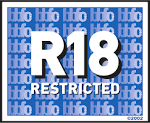
Image result for bbfc r18
Adult works for licensed premises only. This categorisation is legally-restricted and primarily consists of explicit works of consenting sex or strong fetish material involving adults.

Tuesday, 11 October 2016

Research - What is a Film Trailer?

What is a trailer?
Film trailers are an essential part of advertising campaigns to promote upcoming films. The Motion Picture Association of America currently restricts trailers to last no longer than 2 minutes 30 seconds in length.
As part of the marketing stage of a film, the primary purpose of a trailer is to generate hype and excitement towards the release of a feature film. Film trailers are a large part of the deciding factor as to whether or not an audience will choose to watch the film on its release. Unlike teaser trailers, main theatrical trailers will typically last for around two and a half minutes, providing a greater insight into the film's plot and will contain some character development. A film trailer is essential for potential consumers to decide whether or not they want to watch the film when it is released.

The history of trailers
Trailers were first introduced to American cinemas in November 1913. Appearing after feature film screenings in cinemas, the term 'trailer' originates from the fact that these advertisements were shown 'trailing' after the main feature. However, distributors soon found this marketing practice to be ineffective; trailers tended to be ignored by potential consumers due to audiences leaving immediately after the production had ended. Nevertheless, these advertisements are still referred to as 'trailers' today, despite being shown before cinematically before the film begins.

Over time, film makers have become more aware of what excites audiences and what attracts them to particular films. Therefore the quality of film trailers have improved dramatically over the years. Up until the late 1950's film trailers were produced by the National Screen Service and consisted mostly of a variety of key scenes with a voiceover commentary or text which amplified the narrative with an underscore typically taken from music studio libraries, rather than the complex visual montage of footage we see today.

Structural content of a film trailer
Although every film trailer varies in terms of content (and therefore its structure), a film trailer will typically have a narrative structure which follows Todorov's theory. Most trailers are broken down into four parts:
  1. Equilibrium - the first part of the trailer will display a happy atmosphere; the majority of the characters will be presented as content and everything is as it should be.
  2. Disequilibrium - a disruption of the contentedness due to an incident or problem which has occurred.
  3. Realisation - recognition that the disorder has occurred; this typically causes chaos within the narrative. 
  4. Restoration - the final part of the trailer will present the main characters attempting to restore the equilibrium and may hint at how they achieve this through the narrative. 
More simply, the structure of a film trailer includes the opening, build up, problems and events within the films narrative. However, any plot twists or major parts of the films story will not be revealed to the audience within the trailer, causing them to be more intrigued to find out what happens in the film.

Conventions of a film trailer
There are many codes and conventions typical of film trailers, including the use of billing blocks and character introductions. I have created a separate post detailing the common conventions found in film trailers linked here. Sound conventions found in film trailers are also detailed in a separate blog post which can be found here.